
top of page

Marketing Audit 2026: Is Your Marketing Really Working?

  • Conan Venus
  • Jan 5
  • 4 min read
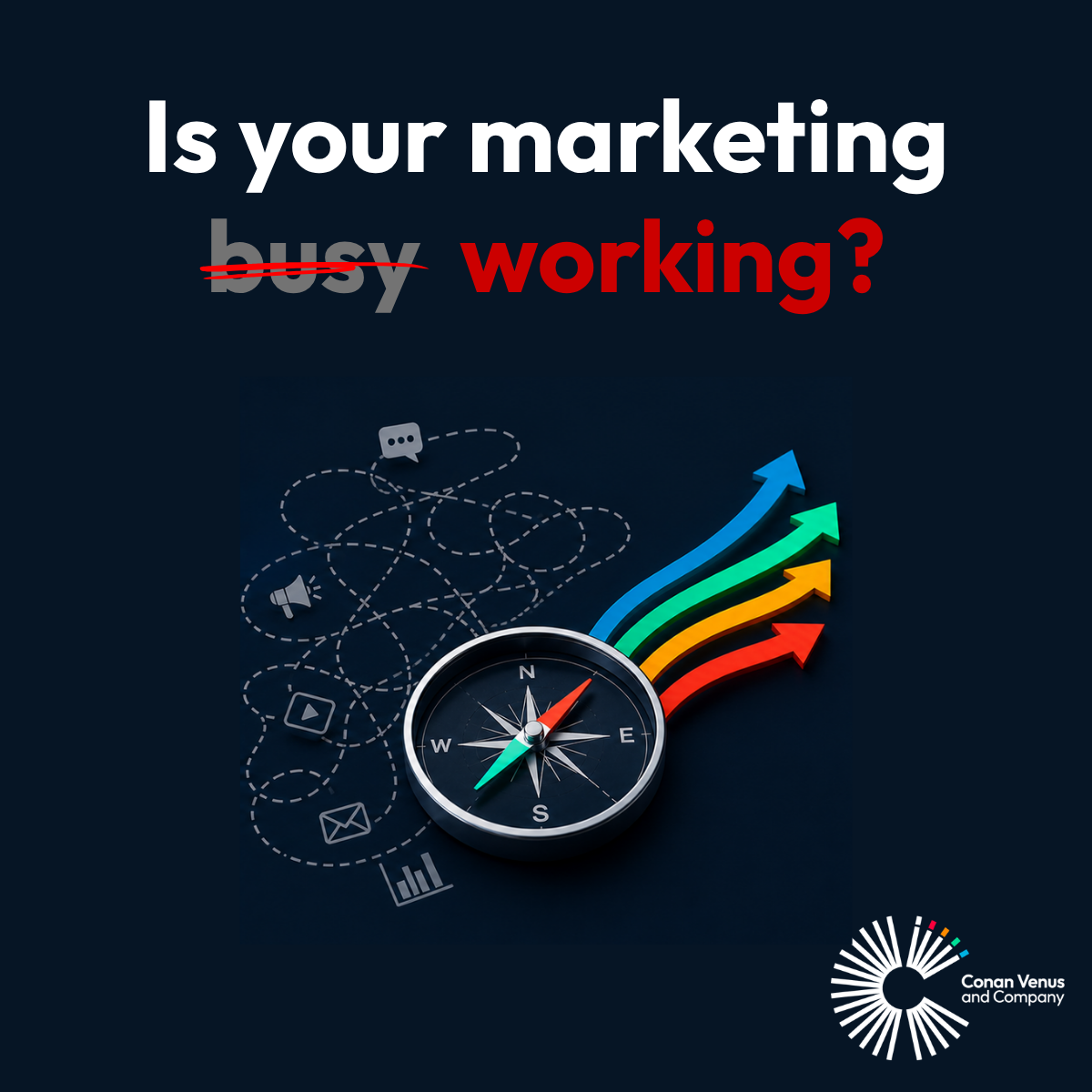
Marketing analytics dashboard with the headline “Is Our Marketing Actually Working in 2026?”

Most leadership teams struggle to answer one simple question with confidence:


Is our marketing actually working?

They can usually tell you what was spent.


Which campaigns went live.


Maybe even which posts got attention.


But when the conversation shifts to revenue, pipeline impact, or long-term advantage, things tend to stall.


Silence creeps in.


Eyes dart to dashboards no one fully trusts.


Someone mentions “brand awareness” and hopes that’s enough.


It rarely is.


That’s where a proper marketing audit comes in. Not a templated checklist. Not a surface-level report. A real audit that shows what’s driving growth, what’s draining budget, and what needs to change next.


Let’s unpack what “working” actually means in 2026, and why so many companies are still measuring the wrong things. 


Why “Busy Marketing” Isn’t the Same as Effective Marketing

Modern marketing teams are busy. Constantly.


There’s always another campaign. Another channel. Another request from sales, leadership, or retail partners.


Activity has become the proxy for effectiveness.


The problem is that busy marketing often hides broken systems. Motion without direction. Effort without leverage.


A marketing audit isn’t about pointing fingers. It’s about replacing gut feel with clarity. And clarity starts by redefining what “working” actually means.


Redefining What “Working” Means in 2026

Before making any changes, you need a shared definition of success. Not one built on vanity metrics, but one that leadership, finance, and sales can all agree on.


We use three lenses.


1. Revenue & Profit

If marketing isn’t influencing margin, sales velocity, or average order value, it’s not doing its job.


That doesn’t mean every tactic must yield immediate results. It does mean marketing should be traceable to commercial outcomes over time.


If that connection can’t be explained simply, something’s off.


2. Pipeline & Lead Flow

For B2B organizations, this shows up as qualified conversations that sales actually want.


For CPG brands, it’s visible demand that retailers can see in data, not anecdotes.


If marketing feels disconnected from revenue teams or retail conversations, the engine isn’t aligned.


3. Brand & Strategic Advantage

This is where long-term value compounds.


Strong brands become easier to remember, easier to choose, and harder to replace.


A good audit doesn’t obsess over likes. It looks at leverage.


The Leadership Test (The Moment Things Get Real)

During audits, we ask two questions that tend to stop the room.


If all marketing were to stop for 90 days, what would actually slow down?


And if your biggest customer or retail partner asked why they should invest more in your brand, could marketing help answer that clearly?


Discomfort here isn’t a bad sign. It’s usually the first honest signal that something needs attention.


Common Signs Your Marketing Isn’t Really Working

Most teams don’t come to us thinking their marketing is broken. They come thinking they need “more.”


More ads.

More content.

More reach.


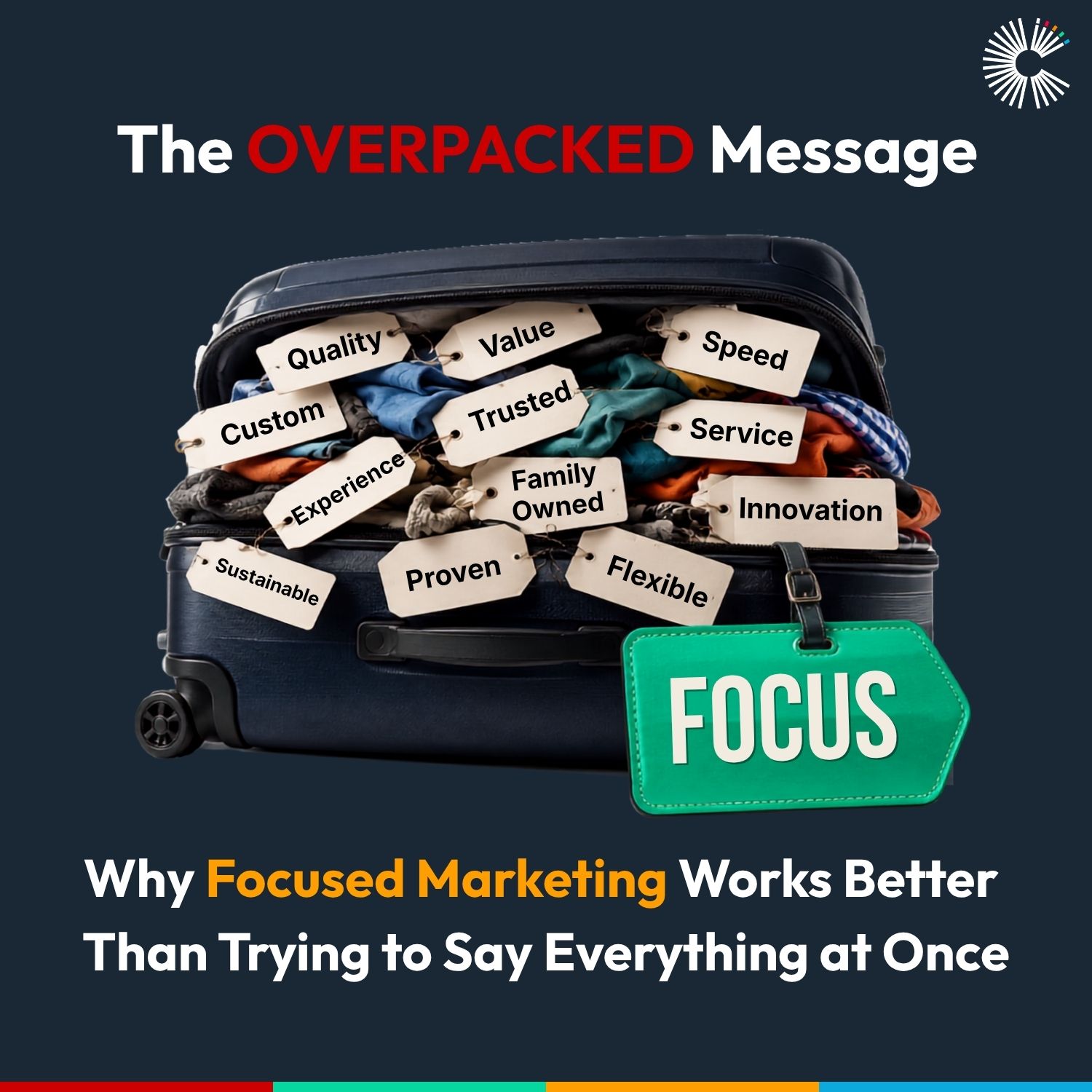
What they usually need is focus.

Strategy & Focus Issues

  • Campaigns reset every quarter with no through-line

  • Channels chosen because they’re popular, not because they convert


Pipeline Problems

  • Sales doesn’t trust the leads

  • Event follow-up is inconsistent or non-existent


CPG-Specific Challenges

  • Retailers ask for support, but results aren’t clear

  • Digital and shopper marketing operate in silos


B2B-Specific Challenges

  • Traffic flatlines

  • Leads come from referrals and trade shows only

  • Reporting lives in spreadsheets no one wants to open


If any of this feels familiar, it’s not a failure. It’s a signal.


The 5 Building Blocks of a Marketing System That Works

This is the framework we use when auditing mid-sized B2B and CPG brands.


Not theory. Pattern recognition.


1. Strategy & Positioning

  • A clear Ideal Customer Profile.

  • A brand promise teams actually use, not just present.


2. Demand & Pipeline Engine

  • For B2B, this means content, campaigns, and CRM working together.

  • For CPG, it’s connected consumer, shopper, and trade marketing.

3. Digital Presence That Converts

  • Your website should earn trust quickly. If it feels dated or unclear, conversion suffers before campaigns even start.

4. Creative That Lands

  • Strong briefs. Cohesive systems. Creative built for consistency, not random execution.

5. Measurement & Improvement

  • KPIs leadership respects. Dashboards that guide decisions. Metrics that connect activity to outcomes.

When these blocks work together, marketing stops feeling chaotic.


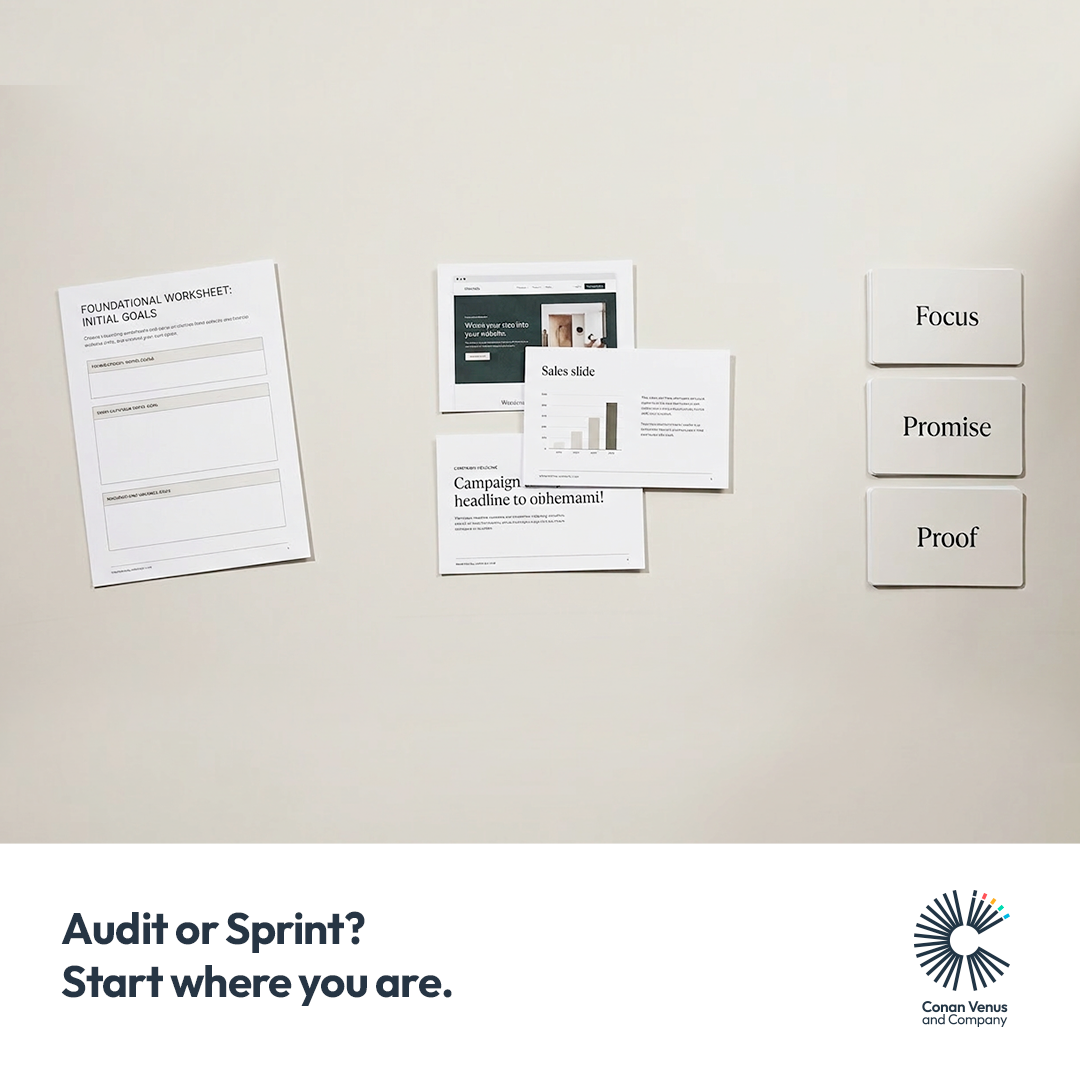
Want a Clear Starting Point?

Not every business needs a full audit immediately.


But if you’re entering a new fiscal year, coming off disappointing results, restructuring your team, or facing tougher ROI questions from leadership, clarity matters.


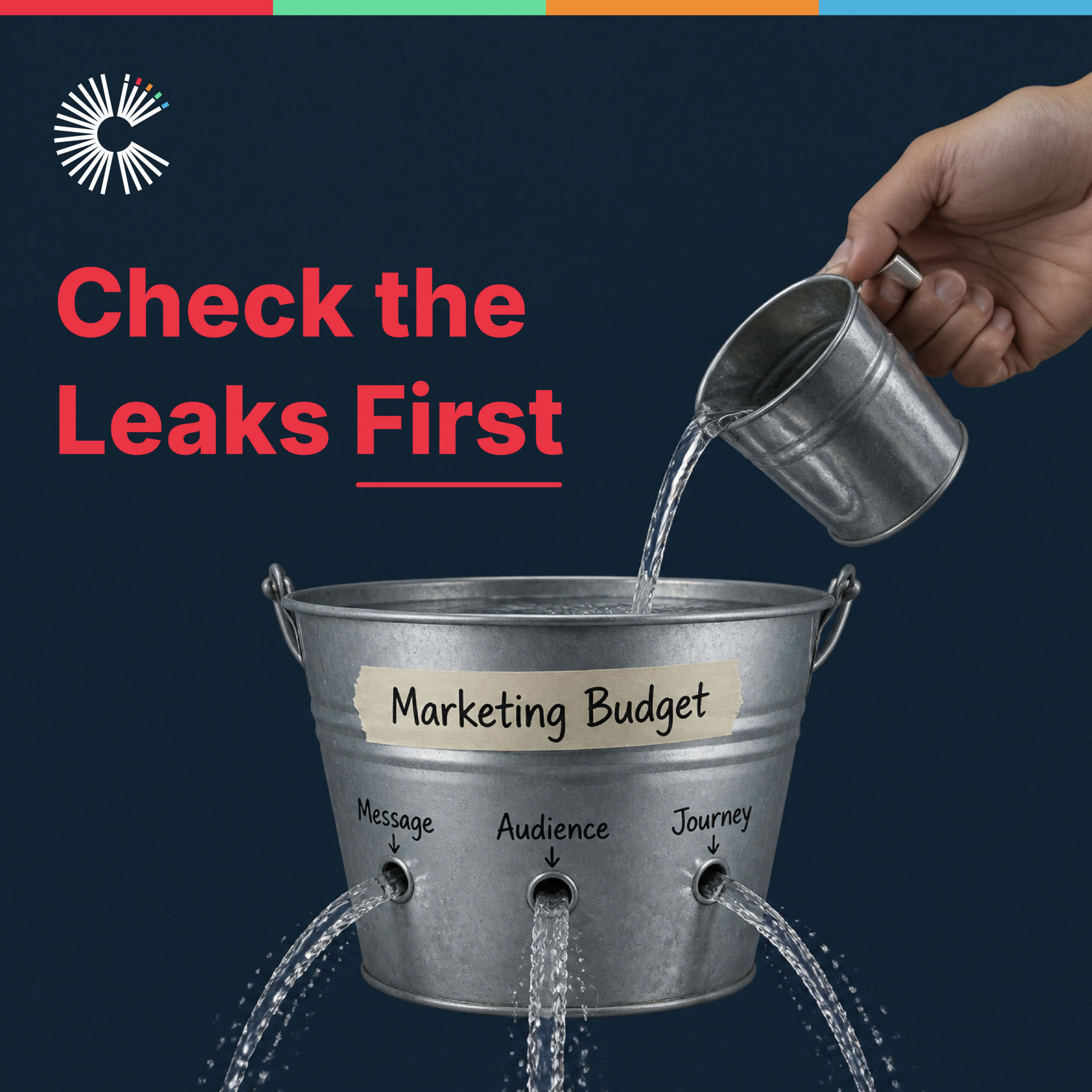
A fast diagnostic that highlights where systems are strong and where they’re leaking value.


No fluff. Just direction.


Final Thoughts: Clarity Beats Chaos

Most businesses don’t struggle because they aren’t trying hard enough.


They struggle because marketing lacks focus.


When leadership understands what’s working, what isn’t, and why, decisions get easier. Budgets get smarter. Teams move faster.


And that’s how you enter 2026 with confidence instead of guesswork.


If you want the truth about your marketing, start there.


Marketing Audit FAQs

What is a marketing audit?

A marketing audit is a comprehensive review of your marketing activities, systems, and strategy. It helps identify what’s working, what isn’t, and where to focus for better ROI.

Why is a marketing audit important in 2026?

Because marketing is evolving fast. With AI, data privacy shifts, and budget pressure. A marketing audit gives you clarity, focus, and a roadmap to adapt and win.

How often should a company do a marketing audit?

At least once a year, especially at the start of a new fiscal year, after a tough sales period, or before making major hires or budget changes.

Who should be involved in a marketing audit?

The CEO, CMO, VP of Sales & Marketing, and any key decision-makers responsible for growth, performance, or brand direction.

What should a good marketing audit include?

A strong audit should cover:

  • Website & digital presence

  • Campaigns & creative

  • Paid media & SEO

  • Brand messaging & positioning

  • Analytics, KPIs & reporting systems

  • Team capabilities & partner fit


Comments


Conan Venus And Company Logo - Digital Advertising Firm
bottom of page